
Best Soccer Training Hurdles
Compare soccer training hurdles by height, adjustability, durability, safety, portability, visibility, and suitability for footwork drills.
Affiliate disclosure: We may earn a commission from qualifying purchases, at no additional cost to you.
Quick answer
Low 6-inch hurdles are the safest, most versatile starting point for soccer footwork. Adjustable or collapsible designs add progression and reduce trip risk, while taller rigid hurdles belong in coached drills with adequate spacing. Buy enough identical hurdles to create repeatable patterns—not the tallest set available.
Current shortlist
Strong options to compare
Availability and model generations change; treat these as researched starting points and verify the exact listing.
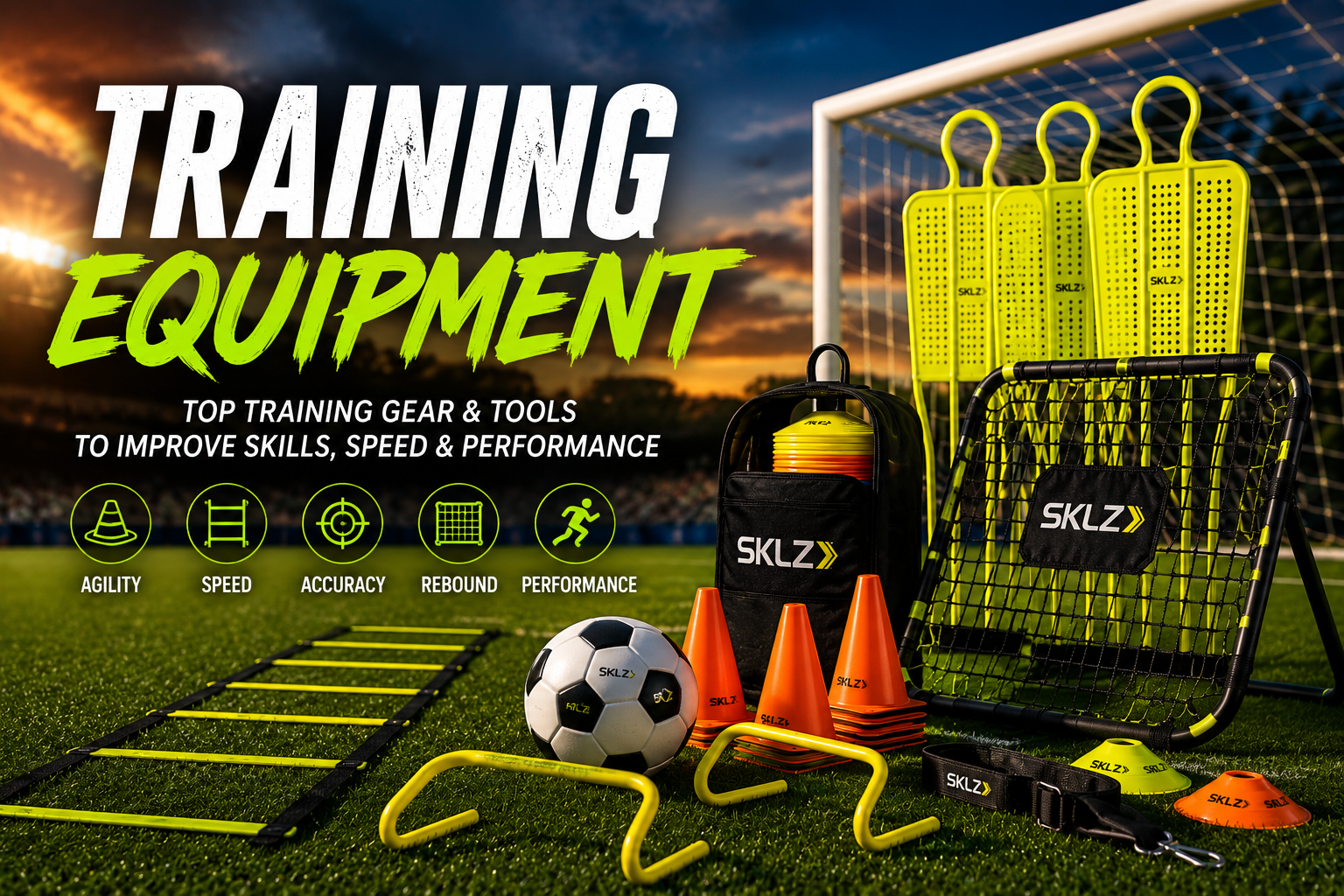
SKLZ 6-inch Speed Hurdles
Low-profile bright hurdles designed for repeatable footwork layouts. Confirm the current version, sizing, and intended use before ordering.
FORZA adjustable hurdles
Adjustable models can support several drill heights when locks remain secure. Confirm the current version, sizing, and intended use before ordering.
QuickPlay collapsible hurdles
A folding design can reduce the consequence of accidental contact. Confirm the current version, sizing, and intended use before ordering.
Champion Sports speed hurdles
Simple sets in multiple heights for programs needing several stations. Confirm the current version, sizing, and intended use before ordering.
Tandem Sport step hurdles
Portable training hurdles offered for speed and coordination work. Confirm the current version, sizing, and intended use before ordering.
Decision table
What changes the choice
| Factor | Practical guidance |
|---|---|
| Height | Six inches covers most basic patterns |
| Safety | Collapsible or flexible construction |
| Visibility | Bright color contrasts with surface |
| Storage | Stacking design and carry bag |
Expert guidance
How to make the right decision
This guide separates useful construction details from marketing claims.
Hurdles do not create speed by themselves
Hurdles do not create speed by themselves; drill quality, posture, intent, rest, and progression matter.
Keep the landing area level and dry, and space hurdles for the athlete rather than copying a generic social-media drill.
Keep the landing area level and dry, and space hurdles for the athlete rather than copying a generic social-media drill.
Youth sessions should emphasize rhythm and control before maximum speed or height.
Youth sessions should emphasize rhythm and control before maximum speed or height.
Start with the real playing situation
Write down the surface, weather, session length, competition rules, and the player’s fit needs before comparing products. A popular model can still be wrong for the actual job.
Check the exact version
One product family may include several tiers, materials, closures, or surface configurations. Read the complete name and specifications rather than assuming every colorway or price tier is built alike.
Test comfort without forcing a solution
New gear should feel secure and usable. Do not rely on pain, extreme stretching, heat, or improvised modifications to correct the wrong size or construction.
Balance performance and value
Pay for features that solve a real need. Correct fit, reliable construction, and suitability for the conditions usually deliver more value than premium branding alone.
Important limitation
This article offers equipment guidance, not medical advice or an injury-prevention guarantee. Follow league rules, manufacturer instructions, and qualified medical guidance when pain, injury, or prescribed support is involved.
Questions answered
Best Soccer Training Hurdles FAQ
What matters most for this choice?
Low 6-inch hurdles are the safest, most versatile starting point for soccer footwork. Adjustable or collapsible designs add progression and reduce trip risk, while taller rigid hurdles belong in coached drills with adequate spacing. Buy enough identical hurdles to create repeatable patterns—not the tallest set available.
Should I choose by brand alone?
No. Fit, intended use, surface compatibility, and the exact construction matter more than the logo.
Can I use the same option in every condition?
Not necessarily. Check the field, weather, competition rules, and product label before use.
How should I check fit?
Use normal match clothing or socks, test both sides, and reject painful pressure, slipping, or restricted movement.
When should I replace it?
Replace gear when traction, structure, seams, closures, or fabric no longer perform reliably.
Choose for the player and the conditions
Verify the exact version, test the fit or function, and prioritize practical comfort over hype.
Check current options on AmazonExplore this topic